

Corporate Advantages
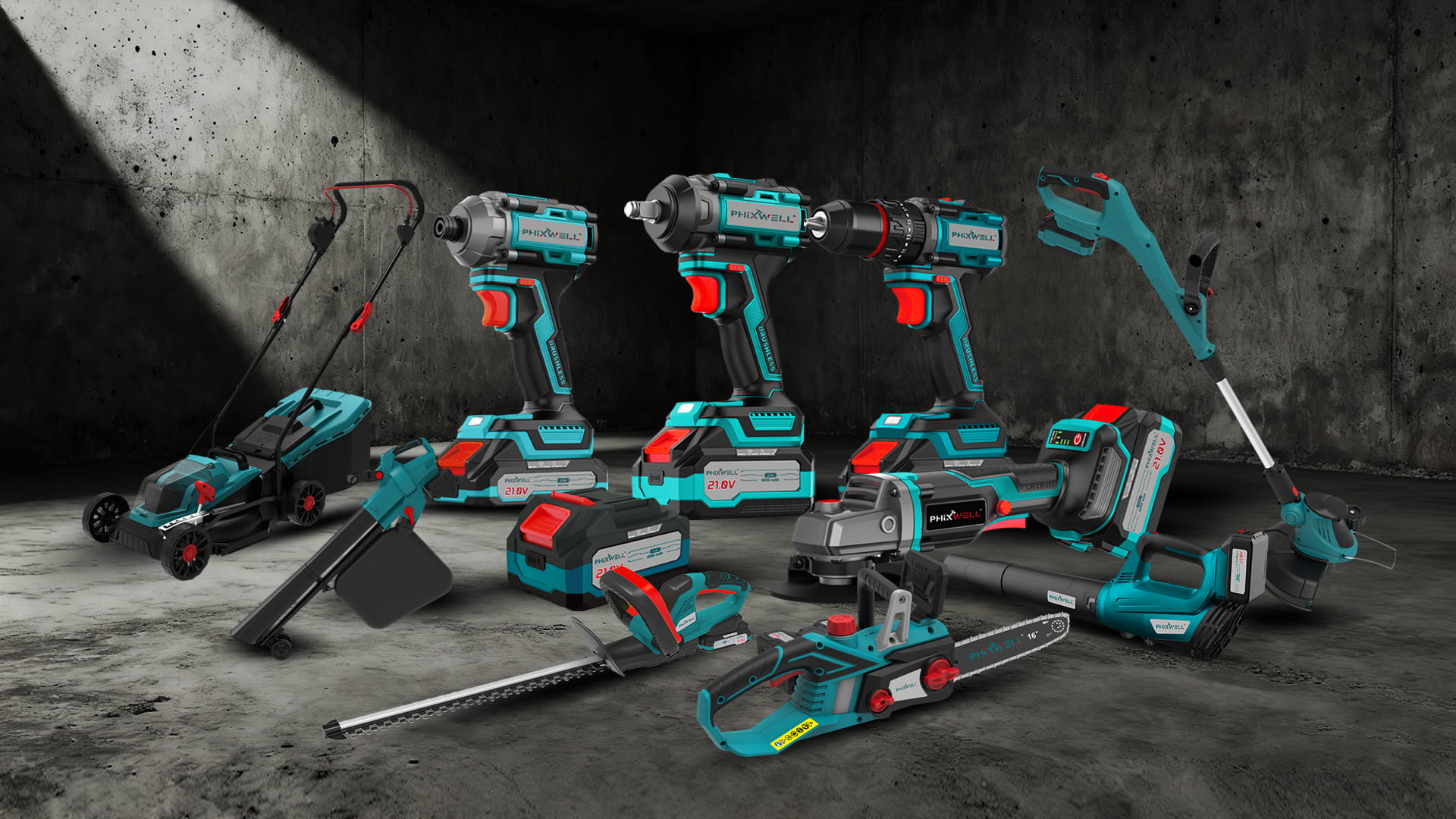
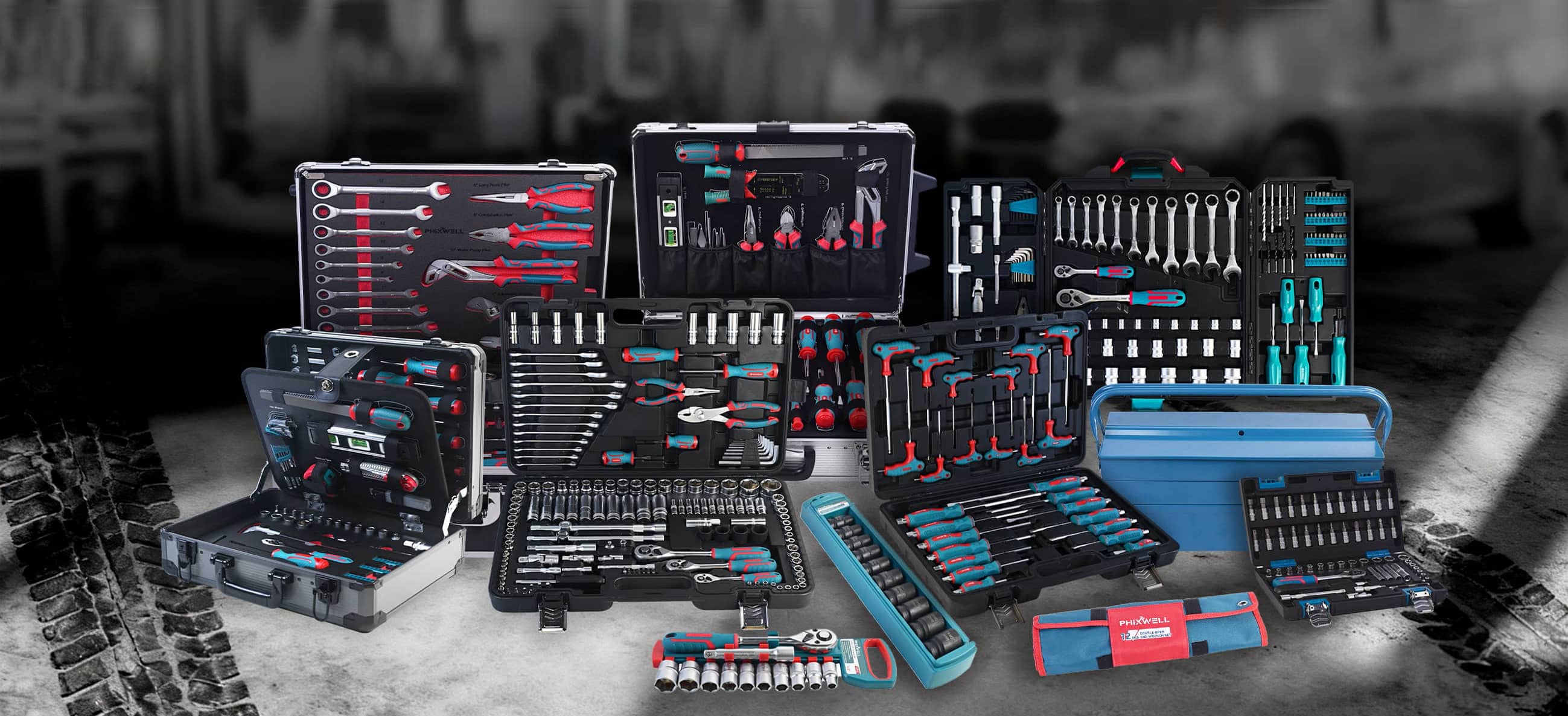
We are a manufacturer of tools and tool storage, specializing in designing and manufacturing manual and power tools and tool storage cabinets.Our goal is to design and manufacture products of the highest quality for our customers.
Customization
We have a strong R&D team,and we can develop and produce products according to the drawings or samples the customers offered.
Cost
We have tool production workshops and hardware processing workshops, as well as injection molding workshops. These will reduce the cost of external sourcing, improve product quality, and increase order completion rates.
Quality
We have our own testing lab and the most advanced and complete inspection equipment,which can ensure the quality of the products.
about us
One-Stop Manufacturer
of Tool Cabinets

The company was established in 2014 and is located in Zhangjiagang City, Jiangsu Province. We have 10 automatic production lines. Annual output of tool sets is two million. We produce but not limited to hand tool sets, power tool sets, garden tool sets, wrenches and tool cabinets. Our products cover the Western European market, North American market, Russian market, South American market and Mexican market etc.

View More

Video Player

  • 0

    Company Established
  • 0

    Factory Area
  • 0+

    Company Employees
  • 0+

    Exporting Country
Certificate of Honor
Meticulous Selection For Top Grade Quality
News & Events
2025-03-03
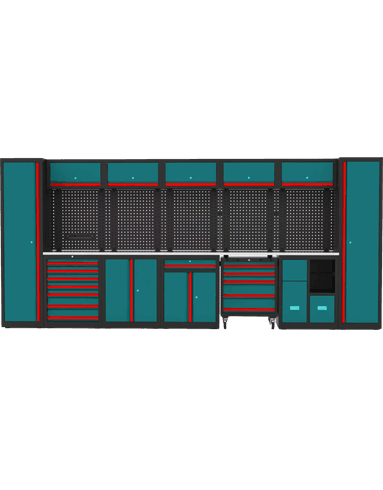
What is a garage storage?

Garage storage refers to systematic organizational solutions designed to maximize space utilization in residential or commercial garages. These systems transform cluttered areas into functional spaces by storing items like tools, automotive supplies, sports equipment, and seasonal decorations in a structured and accessible manner.


Core Components & Characteristics

  1. Modular Organization

    • Utilizes cabinets, shelving units, wall panels, and overhead racks to categorize items by frequency of use and function.

    • Configurations often include adjustable shelves and modular bins for flexible storage of diverse item sizes.

  2. Space Optimization

    • Vertical storage systems (e.g., slatwall panels with hooks) free up floor space for vehicles or workbenches.

    • Overhead ceiling racks store rarely used items (e.g., holiday decorations) to minimize clutter.

  3. Durability & Adaptability

    • Constructed from heavy-duty steel, polymer, or resin to withstand temperature fluctuations, humidity, and mechanical stress.

    • Weather-resistant designs ensure longevity in non-climate-controlled environments.

  4. Specialized Subsystems

    • Tool storage cabinets: Secure cutting tools, power tools, and accessories with lockable features.

    • Tire racks and automotive organizers: Store tires, oils, and maintenance supplies safely.


Common Application Scenarios

  • Household Garages: Organize gardening tools, bicycles, and DIY project materials.

  • Auto Enthusiast Spaces: Create dedicated zones for car maintenance tools and parts.

  • Commercial Workshops: Manage inventory of repair tools and client project materials.


Differentiation from Industrial Storage

  • Garage storage prioritizes adaptability and user-friendly access for mixed-use spaces, often blending aesthetic appeal with functionality.

  • Industrial storage (e.g., tool cribs or warehouse racks) emphasizes high-density capacity and compliance with safety regulations for specialized professional use.

REad More
2025-03-03
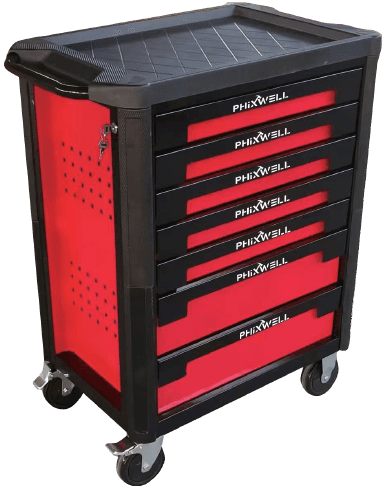
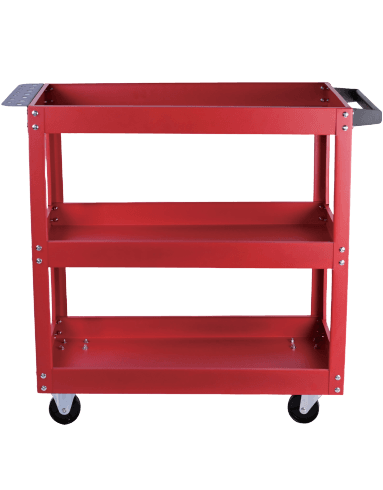
What is a tool cart?

A tool cart is a mobile storage unit designed to organize, transport, and access tools and equipment efficiently in dynamic work environments. Typically featuring drawers, shelves, and casters, it serves as a compact, movable workstation for professionals requiring quick tool availability across multiple locations.


Key Features

  1. Modular Storage

    • Multi-drawer configurations with dividers to categorize small tools (e.g., screwdrivers, wrenches).

    • Locking mechanisms to secure contents during movement.

  2. Mobility & Maneuverability

    • Heavy-duty swivel casters (often with brakes) for smooth navigation in tight spaces.

    • Compact design to pass through standard doorways and aisles.

  3. Durability & Load Capacity

    • Constructed from reinforced steel or impact-resistant polymers.

    • Weight-rated shelves and drawers to accommodate industrial tools.

  4. Integrated Workspace

    • Some models include a fold-out or fixed work surface for on-site repairs.

    • Side hooks or racks for hanging power tools, hoses, or cables.


Primary Use Cases

  • Automotive Shops: Technicians use tool carts to move specialty tools between vehicles.

  • Manufacturing Lines: Transport components and tools along assembly stations.

  • Facility Maintenance: Carry plumbing/electrical tools across large buildings.


Tool Cart vs. Tool Cabinet

  • Tool Carts: Prioritize mobility and accessibility, ideal for tasks requiring frequent relocation.

  • Tool Cabinets: Focus on high-capacity, stationary storage (e.g., bulk tool inventories in fixed locations).

REad More
2025-03-03
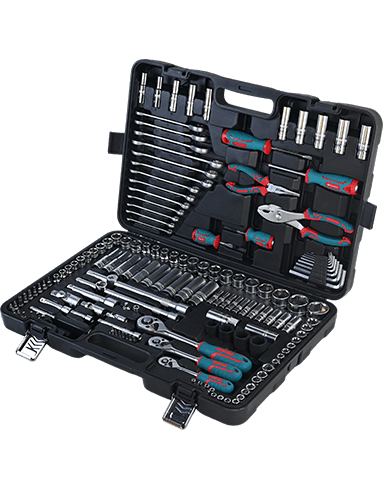
What is a handle tool set?

A handle tool set refers to a curated collection of hand tools that share a common interchangeable handle or comprise individually handled tools designed for specific tasks. These kits optimize efficiency and organization in mechanical, repair, and assembly work.


Core Components & Configurations

  1. Interchangeable Handle Systems

    • A single ergonomic grip paired with multiple attachments (e.g., screwdriver bits, sockets, hex keys).

    • Often include ratcheting mechanisms for high-torque applications.

  2. Fixed-Handle Tool Kits

    • Pre-assembled sets of standalone tools (e.g., wrenches, pliers, hammers) with dedicated handles.

    • Designed for comprehensive task coverage—from basic repairs to specialized projects.

  3. Critical Features

    • Ergonomics: Non-slip grips and balanced weight distribution reduce user fatigue.

    • Durability: Chrome-vanadium steel or S2 tool steel construction resists corrosion and wear.

    • Portability: Stored in rugged cases or roll-up pouches for onsite use.


Primary Applications

  • Home Maintenance: Assembling furniture, fixing appliances, or minor plumbing.

  • Automotive Repair: Loosening/tightening fasteners during vehicle servicing.

  • Industrial Assembly: Electronics manufacturing or machinery maintenance.


Advantages Over Ad-Hoc Tools

  • Cost Efficiency: Bundled sets reduce per-tool expenses.

  • Task Preparedness: Covers diverse scenarios (e.g., Torx, Phillips, flat-head screwdrivers in one kit).

  • Space Optimization: Compact storage vs. loose tools.


Common Types

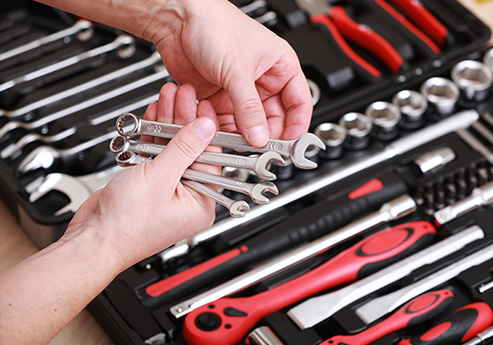
  • Socket Wrench Sets: Interchangeable sockets/size adapters.

  • Screwdriver Kits: Magnetic bit holders with 50+ bit types.

  • Specialized Kits: Electrician, bicycle, or HVAC-focused tools.

REad More
2025-03-03
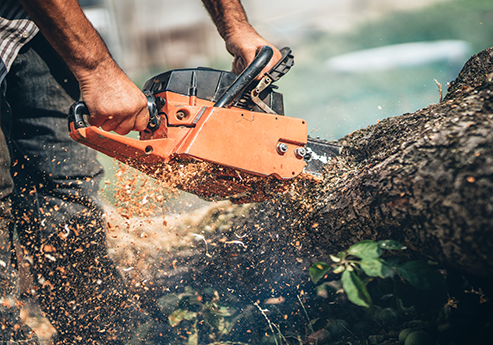
What is a Garden Chainsaw?

A garden chainsaw (also commonly called a pruning chainsaw or pole chainsaw) is a smaller, lighter-duty chainsaw designed specifically for tasks in a garden, yard, or orchard. It's not meant for felling large trees or heavy-duty logging, but rather for the pruning, trimming, and clean-up work that homeowners and gardeners typically face.

Think of it as the more precise and manageable cousin of a full-sized forestry chainsaw.

Key Characteristics of a Garden Chainsaw

  1. Smaller Size and Power:

    • Bar Length: Typically has a shorter guide bar, usually between 6 to 14 inches. This makes it nimble for working among branches.

    • Engine/ Motor: Less powerful than professional models, which is sufficient for cutting through branches, limbs, and small trees.

  2. Lighter Weight: It's designed to be used for extended periods without causing excessive user fatigue, which is crucial for overhead pruning.

  3. Specialized Designs: They often come in specific forms:

    • Standard Pruning Saw: A small, one-handed or compact two-handed saw, perfect for working from a ladder or in tight spaces.

    • Pole Chainsaw: Has an extended shaft (either telescopic or fixed-length) that allows you to reach and cut high branches from the ground, safely and easily.

REad More
2025-03-03
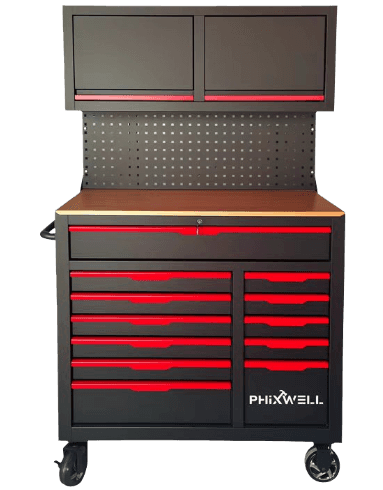
What is a tool cabinet?

A tool cabinet is a mobile storage device designed for storing, organizing, and transporting tools and components. Typically equipped with drawers, shelves, and casters, it is widely used in environments requiring frequent tool access, such as factory workshops, maintenance areas, and laboratories.


Core Features & Functions

  1. Modular Storage

    • Multi-layer drawers allow categorization of tools by size for quick retrieval.

    • Drawers often include locks or latches to prevent sliding or loss of tools.

  2. Flexible Mobility

    • Swivel casters (some with brakes) enable free movement to match workflow needs, boosting operational efficiency.

  3. Load Capacity & Durability

    • Constructed from steel for high load-bearing performance, suitable for intensive industrial use.

  4. Expandable Functionality

    • Some models feature a added worktop for dual use as an operation surface, with side hooks for larger tools.


Typical Applications

  • Automotive Repair: Stores wrenches, sockets, and other maintenance tools.

  • Industrial Production: Supplies components along assembly lines.

  • Field Work: Transports tools to construction sites or power maintenance projects.


Difference from Tool Cabinets

  • Tool Cabinets: Fixed, floor-standing storage with larger capacity but limited mobility.

  • Tool Carts: Emphasize portability for dynamic workspaces, serving as "mobile tool stations".

By integrating tool carts, enterprises can significantly enhance tool management efficiency, reduce time spent searching for items, and maintain a tidy worksite.

REad More
2025-03-03
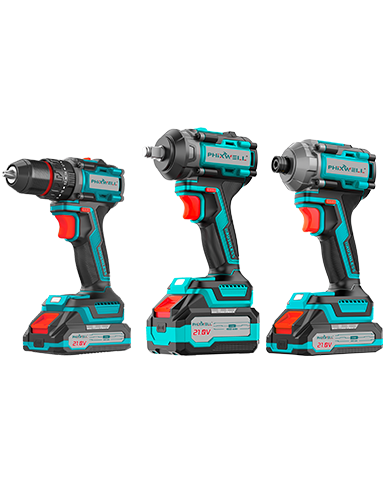
What is a power tool set?

At its core, a power tool set is a collection of power tools and accessories, sold together as a single package. Instead of buying each tool individually, you get a curated kit that typically includes a combination of the most commonly used tools, batteries, a charger, and a case for storage and transport.

Think of it as a "starter kit" or a "core system" for tackling a wide range of DIY projects, home repairs, or professional tasks.


Key Components of a Typical Power Tool Set

While the exact contents vary by brand and price point, most sets include the following:

1. The Core Tools (The "Workhorses"):

  • Drill/Driver: The most essential tool, used for drilling holes and driving screws.

  • Impact Driver: Specialized for driving screws and bolts with high torque. It's often paired with a drill/driver in a set.

  • Circular Saw: For making straight cuts in wood, plywood, and other sheet materials.

  • Reciprocating Saw: A "sawzall" used for demolition, cutting pipes, pruning trees, and rough cuts.

  • Orbital Sander: For smoothing and finishing wood surfaces.

  • Work Light: A powerful LED light for illuminating your workspace.

2. The Power System (The "Heart" of Cordless Sets):

  • Batteries: Almost all modern sets are cordless and use Lithium-Ion (Li-Ion) batteries. A good set will include at least two batteries.

  • Charger: A fast charger to keep your batteries ready to go.

3. Storage and Accessories:

  • Carrying Case: A durable, often hard-shell case with custom-molded compartments to keep everything organized and protected.

  • Accessories: Most sets include a basic set of drill bits, driver bits, and sometimes a saw blade or sanding pads.

REad More